Frost, wind, dry air, and central heating work against comfort. Even oily skin loses moisture, becomes sensitive, reactive, prone to flaking and itching. To maintain softness, radiance, and protection, a systematic approach is needed – from head to toe. With proper cleansing, barrier protection, care for vulnerable areas, and internal support.

Face: Barrier, Hydration, Protection
Winter facial care is built on three key steps: cleansing, hydration, protection. This is not a decorative sequence but the basic architecture of comfort and resilience:
- Cleansing should be gentle and stress-free: no aggressive gels, acids, or alcohol. Only creamy textures, milk, or balms – they don’t destroy the protective mantle. Water should be warm, not hot. After washing, the skin needs 5-10 minutes to stop being vulnerable.
- Hydration – hyaluronic acid attracts moisture, ceramides restore the barrier, squalane retains and softens. Products containing these ingredients should be applied to slightly damp skin, especially in the evening – this way they work deeper and longer.
- Protection – rich creams with oils: shea, jojoba, avocado. They create a physical shield against wind and frost.
SPF is essential even on cloudy days: UV reflected from snow intensifies exposure. Protective cream should be applied 20-30 minutes before going outside to allow absorption.
Scalp: Against Itching and Flaking
In winter, the scalp suffers as much as, or even more than, the face. It reacts to cold, dry air, sudden temperature changes, and indoor overheating. This provokes itching, flaking, tightness, and hair loss. To maintain comfort and health, care must be gentle, nourishing, and regular.
It starts with shampoo: no sulfates, harsh surfactants, or fragrances. Only mild cleansing formulas that don’t destroy the lipid barrier or worsen dryness.
After washing, don’t leave the skin “bare.” Serums with panthenol, niacinamide, or oat extract soothe, restore, and reduce reactivity. They act like a warm blanket for the scalp, especially during periods of heightened sensitivity.
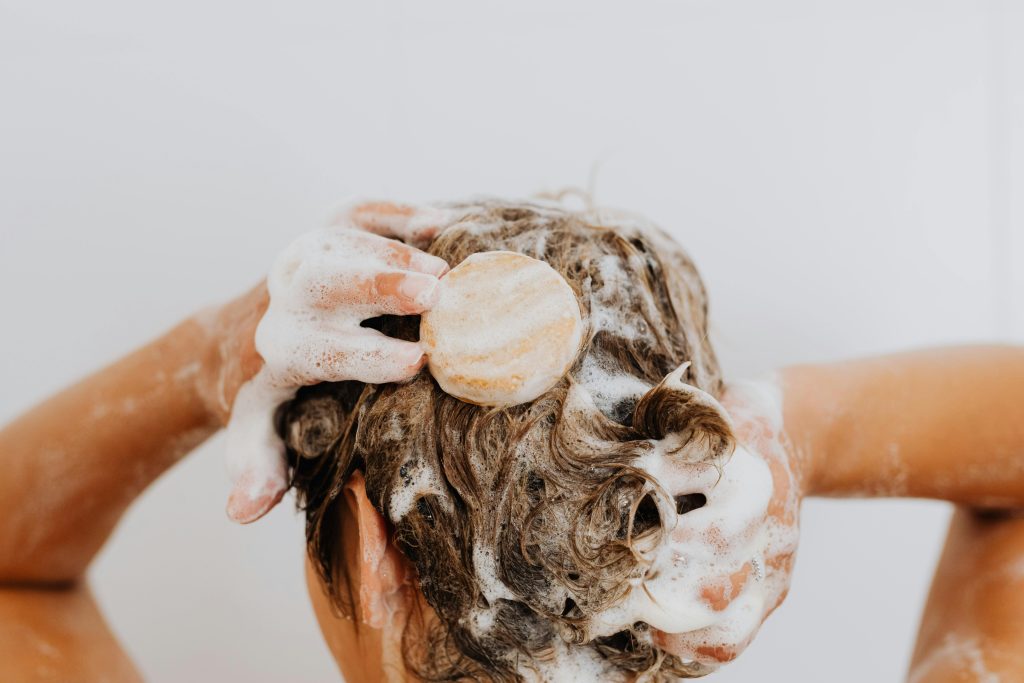
Oil masks are essential. Burdock, jojoba, grape seed oils 1-2 times a week, especially if flaking or itching occurs. This is not just nourishment but barrier restoration, especially in the temple and nape areas where the skin is thinner and more affected by frost.
Hair dryers should be used moderately, without overheating. Hot air increases moisture evaporation and may cause microinflammation. It’s better to dry hair using a gentle warm setting.
And of course, a hat – it’s not just warmth but protection. Natural materials, a soft fit, and covered ears reduce the risk of windburn and scalp hypothermia. Without it, even a short walk can lead to itching and flaking the next day.

Hands and Ears: Most Vulnerable
In winter, hands and ears are the first to take the hit. They’re almost always exposed, mobile, and in contact with air, water, metal, and fabric. The skin is thin, with minimal sebaceous glands, making it defenseless.
Ears suffer from wind and frost, especially when wearing earrings: metal cools, intensifies contact with skin, and provokes redness and flaking. Hands are at risk due to frequent washing, temperature changes, and jewelry: rings trap water, increase irritation, and interfere with even cream application.
Hand care should be regular and rich. After each wash – cream (with glycerin, urea, or lanolin). It moisturizes, restores the barrier, and retains moisture. In the evening, a thick cream and cotton gloves help the skin absorb better.
Ears should be protected with a hat, hood, or scarf. If flaking appears, a balm with beeswax, lanolin, or shea butter will help.
Body Under Clothing: Hidden Dryness
In winter, body skin also suffers. We don’t feel tightness as sharply as on the face and often ignore irritation signals. Under heavy clothing, skin loses moisture just as much, if not more: dry indoor air, synthetic fabrics, overheating, and friction destroy the lipid barrier. The shins, elbows, and back suffer most—areas with thin skin and few sebaceous glands. They become rough, sensitive, and prone to irritation.
Cleansing should be as gentle as possible. In winter, soap-based gels and harsh surfactants lead directly to dehydration. It’s better to choose cream-gels or shower oils that don’t foam but gently cleanse and nourish. Water temperature should be warm, not hot: steam and boiling water increase moisture evaporation and make skin more vulnerable.

The key moment is right after the shower. In this short window, while skin is still damp, open, and receptive, apply a moisturizing product. It can be milk, cream, balm, or oil. If missed, skin dries out quickly. It’s important not just to apply but to massage in, especially in risk zones.
Clothing also matters. Synthetics combined with dry air increase irritation, cause itching and microinflammation. Natural fabrics (cotton, viscose, soft wool) allow skin to breathe, don’t overheat, and don’t provoke friction. Everything that touches the body should be soft, breathable, and non-irritating.
Winter body care is a daily ritual that starts in the shower and ends in the bedroom, under a warm blanket, when the skin is nourished, calm, and protected.
Internal Care: Nutrition and Hydration for Skin
Creams and serums are important. But without internal support, skin quickly gives up. That’s why winter care includes dietary adjustments.
Omega-3 and -6 are key allies for skin. They strengthen the lipid layer, reduce inflammation, and make skin less reactive. Found in fatty fish (salmon, mackerel, sardines), flaxseed and pumpkin oils, walnuts, chia seeds.
Also important are vitamins:
- A (cod liver, carrots, pumpkin, spinach) speeds up cell renewal, smooths skin.
- E (almonds, avocado, vegetable oils) protects against dryness and free radicals.
- C (sea buckthorn, kiwi, broccoli, citrus) strengthens vessels, reduces sensitivity, aids collagen synthesis.
- D (eggs, fatty fish, mushrooms) especially vital in winter with less sun.
- Zinc and selenium (in seafood, eggs, whole grains) are trace elements that regulate inflammation and support skin immunity.
In winter, we tend to drink less, but skin still loses moisture. Cold air doesn’t cancel the need for hydration. Warm water with lemon, ginger, cinnamon maintains fluid balance. Herbal teas (chamomile, linden, mint, lemon balm) soothe, hydrate, and relieve internal tension. Sea buckthorn infusion, dried fruit compote, water with berries benefit the skin.
It’s also worth reducing coffee, alcohol, and sugary sodas. They dehydrate, disrupt balance, and increase dryness.
In winter, skin needs not only creams but the right environment. Pay attention to air humidity: if it’s too dry (with heating on), use a humidifier. It helps skin retain moisture, enhances the effect of moisturizers, and reduces tightness. If humidity is too high (e.g., in poorly ventilated rooms), use a dehumidifier to avoid overload and discomfort.
Final Touches: Winter Essentials
Winter care is a system where sequence and consistency matter. Cleansing should be gentle, hydration rich, and protection dense and timely. Scalp, hands, ears, and body under clothing need attention.
Internal support is also crucial – fats, vitamins, warm drinks, air humidity control, SPF, targeted products for dry areas, and thermal water throughout the day.
Winter is not a reason to endure discomfort, but an opportunity to build care that works.