We wake up and fall asleep with screens. They accompany us in work, leisure, learning, and communication. The screen has become a new plane of the world.
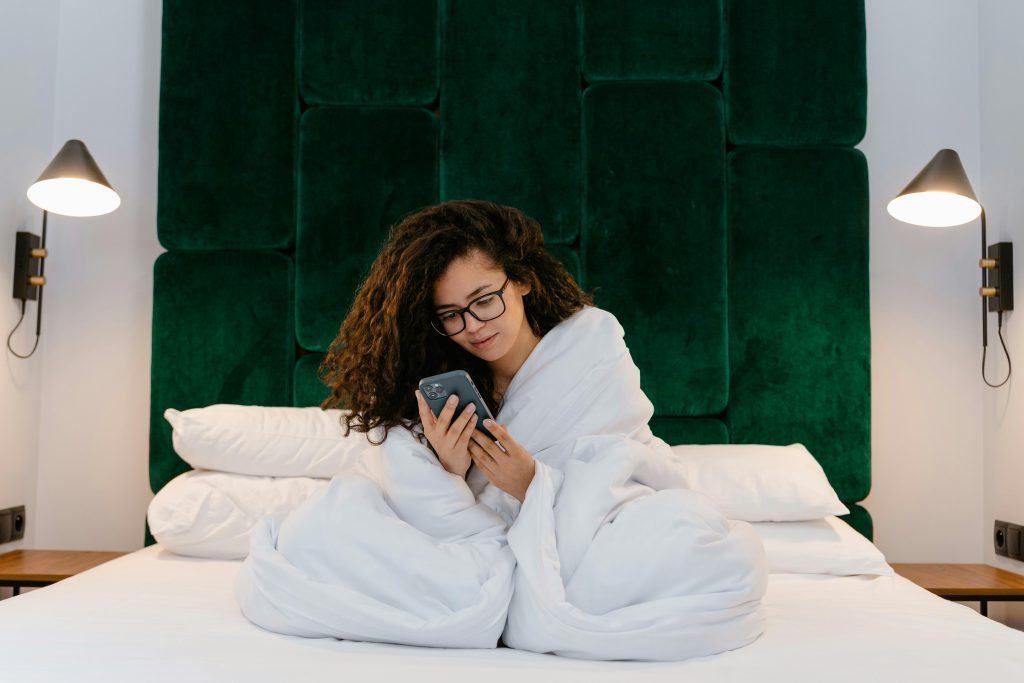
But behind convenience lies strain. Modern screens affect more than just vision – they alter attention focus, disrupt sleep rhythms, and reshape habits and well-being. We blink less, strain our eyes longer, and lose the ability for deep focus and visual rest.
What is screen vision? Why does blue light interfere with sleep? How do screens affect children, adults, and the elderly? And most importantly – what can be done?
What is a screen: from glass to light
A screen is an active light source that directly affects vision. Its evolution spans from glass boxes with cathode-ray tubes to ultra-thin panels. Initially bulky – CRT televisions, flickering monitors – then came LCD panels, smartphones, tablets. Unlike paper, it doesn’t reflect light but emits it. That’s why eyes remain constantly tense. Today, it’s what people interact with most of the day.
Modern screens are bright, high-contrast, and highly detailed. They constantly refresh images, flash, scroll, and respond to touch. This demands rapid focus, precise coordination, and sustained attention from the eyes. It’s especially taxing when the screen is close to the face and surrounded by a static dark background.
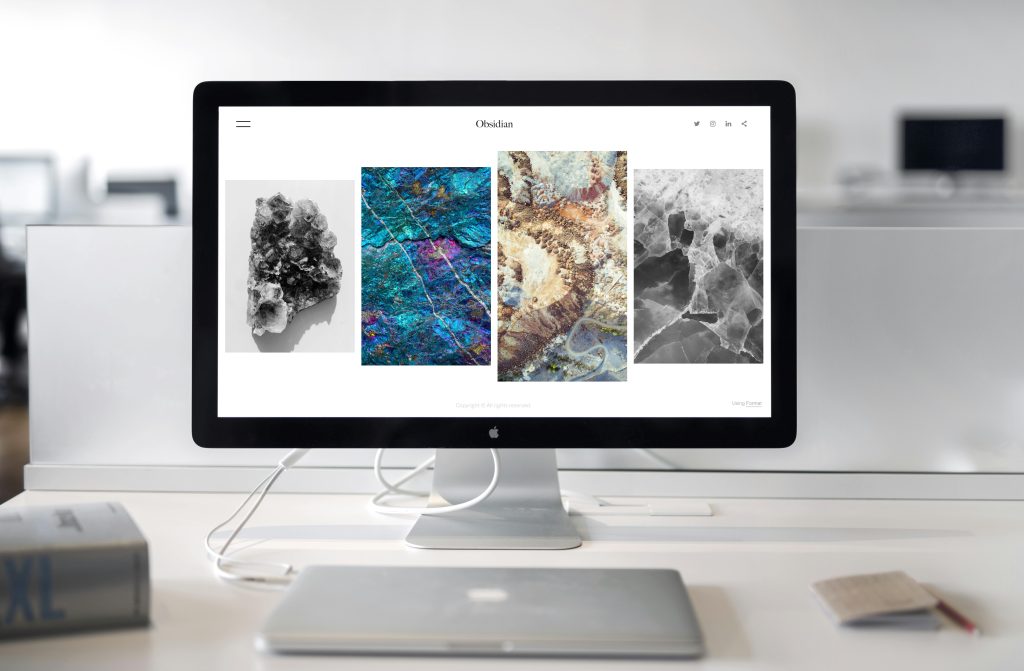
Additional strain comes from the blue spectrum – shortwave light that irritates the retina and disrupts biological rhythms. It reduces melatonin production, interferes with sleep, and increases fatigue. That’s why evening phone use directly affects sleep quality and visual recovery.
The screen itself isn’t harmful. What’s harmful is excessive proximity, duration, and lack of breaks. Eyes need time to switch, relax, and refocus. The more screens in life, the more important it is to learn how to use them properly.
Digital Overstrain: Symptoms of Screen Vision
The set of symptoms that arise from prolonged screen use is called “digital eye strain.” It’s a condition where the eyes and brain are overloaded with visual information, light, and close-range focus.
The syndrome develops gradually. It’s not related to classic vision deterioration but affects quality of life: it interferes with work, reduces concentration, and causes discomfort.
Key symptoms include:
- Dry eyes – feeling of sand, burning, urge to use drops.
- Fatigue – eye heaviness, desire to close them.
- Headache – especially in the forehead and temples after long screen use.
- Double or blurred vision – difficulty focusing, especially when shifting gaze from screen to distant objects.
Many experience these symptoms after just 2-3 hours of continuous screen time. Some even sooner, especially with poor lighting or high screen brightness.
When we look at a screen, the eye remains tense: it focuses at a fixed distance, tracks flickering images, and processes light. We blink less, leading to corneal dryness and tear film disruption.
Moreover, screens don’t require deep focus. We don’t shift gaze between near and far objects as in daily life. This weakens accommodation (the eye’s ability to quickly change focus). As a result, vision becomes sluggish and eye muscles overloaded.
Age and Screens: Who Suffers More
Children’s visual systems are still developing, and screens interfere with this process. Constant close-range focus may contribute to early myopia. The younger the child, the more important it is to limit screen time and monitor lighting.
Teenagers have formed vision, but their bodies are growing rapidly, increasing eye strain. Schoolwork, social media, games – all involve screens. Teens often spend 6-8 hours a day in front of displays without breaks. This leads to eye strain, headaches, sleep disruption, and reduced concentration. It’s important to teach them visual hygiene: breaks, exercises, filters, proper lighting.
For adults, screens are work tools. This leads to chronic eye muscle strain, dry eye syndrome, and reduced accommodation. Symptoms are often ignored. But regular visual load without compensation gradually lowers vision quality and affects overall well-being.
With age, vision weakens: lens elasticity decreases, tear film deteriorates, and presbyopia appears. Screens intensify these processes, especially with high brightness and small fonts. Older adults also face more difficulty adapting to light and contrast. But with proper settings, screens can be comfortable.
Global Statistics: Numbers That Make You Blink
By 2025, vision has become one of the most vulnerable systems in the world of digital habits. According to international studies, most people spend 3 to 10 hours a day on screens.

Myopia is spreading rapidly. In 1990, a quarter of minors had vision problems; by 2023, it was over a third. In 2025, myopia is diagnosed in 30% of the global adult population. Main causes: constant screen use, reduced outdoor time, urbanization, and lifestyle changes. Scientists warn: if the trend continues, by 2050 up to 50% of the world’s population will be nearsighted.
The higher the level of education, urbanization, and digitalization, the greater the screen time. In countries with advanced IT infrastructure, adults spend 6 to 10 hours daily on screens. Teens even more, considering online learning.
Blue Light and Circadian Rhythms
Blue light is part of the visible spectrum, with short wavelengths and high energy. It naturally occurs in sunlight and helps the body wake up, focus, and stay alert. But screens (smartphones, laptops, TVs) also emit blue light – even in the evening when it’s no longer needed.
Blue light irritates the retina. It increases visual strain, accelerates eye fatigue, and may damage photoreceptors under chronic exposure. It also disrupts biological clocks. Blue spectrum suppresses melatonin (the hormone responsible for sleepiness and recovery). If you stare at a screen before bed, the brain thinks it’s still daytime and prevents the body from relaxing. Result: trouble falling asleep, shallow sleep, and morning fatigue.
To reduce blue light impact, several approaches are used:
- Night mode – built-in feature on phones and computers that warms and softens screen tones.
- Blue light filter glasses – clear or slightly yellow lenses that block part of the spectrum.
- Apps or built-in “Eye Comfort” modes that automatically adjust screen color temperature.
These measures don’t solve the problem entirely but help reduce strain.
Visual Hygiene: What Really Helps
Visual hygiene involves simple actions that help eyes function without overload. Eyes have muscles too. They need movement, switching, and rest.
For example, every 20 minutes, look at an object at least 6 meters away for 20 seconds. This gives eyes a chance to relax and refocus. Especially useful for those working on computers or studying online.
Several times a day, do circular eye movements, “figure eights,” and shift gaze from near to far objects. This improves accommodation and relieves tension.
For eye health, vitamins A, C, E, zinc, omega-3, and lutein are important. They support the retina, improve circulation, and protect against age-related changes. Add carrots, spinach, fish, eggs, nuts, and berries to your diet.

The Future of Screens: From Augmented Reality to Neurointerfaces
Screens are no longer confined to frames. They extend beyond devices, overlay reality, and respond to gaze, voice, and movement. AR (augmented reality), VR (virtual reality), and neurointerfaces are working technologies that change how we perceive information. They create new forms of interaction where the screen becomes the space itself. In neurointerfaces, images may appear without a physical display. Convenient – but visual strain doesn’t disappear, it just changes form. Eyes must work in new conditions: track movement, respond to depth, perceive light effects. This can increase fatigue, especially with prolonged use without breaks.
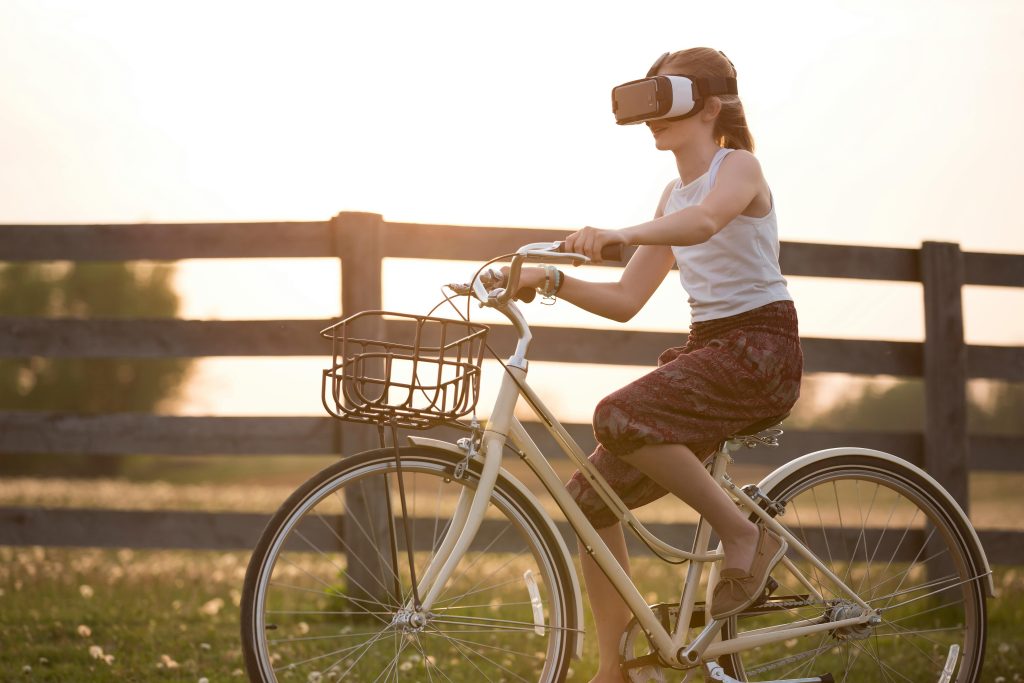
New technologies require new rules. How long can AR be used safely? How to protect vision with neurointerfaces? Who sets visual content standards? These questions remain open. Discussions are already underway about brightness norms, refresh rates, and color temperature. Screens will become invisible – embedded in walls, clothing, contact lenses. They’ll respond to gaze, voice, gesture. Convenient, but requiring new visual hygiene: breaks, adaptation, protection from overload. Visual space will become flexible and more saturated – that’s why it’s important to learn to interact with it consciously.
How to Preserve Vision in a Screen-Based World
We live in a world where vision has become an interface. The screen is no longer an object but a medium. And the more tightly it weaves into daily life, the more important it is to protect eyesight. The ability to disconnect is becoming as vital as reading or typing. And perhaps in the future, visual hygiene will be not just a recommendation but a basic form of digital literacy – on par with passwords and privacy.