

Irritable bowel syndrome is a condition in which digestion becomes disrupted. Pain, bloating, constipation, or frequent diarrhea may occur, yet medical tests show everything appears normal. It’s not a disease in the conventional sense, but rather heightened intestinal sensitivity to food, emotions, and stress. Even a regular breakfast or anxiety before an exam can trigger discomfort, so it’s important to notice how the body responds and seek methods that help restore balance.

What is irritable bowel syndrome?
Irritable bowel syndrome is a functional digestive disorder. It is characterized by a chronic, fluctuating course: symptoms may intensify during certain periods and then subside, creating the illusion of improvement, often followed by a new flare-up.
The main feature is disrupted intestinal motility and sensitivity. The intestinal walls become hyperactive – even normal stretching or food movement may be perceived as painful. Peristalsis speeds up or slows down, leading to diarrhea, constipation, or alternating episodes. Emotional state is a key factor. Stress, anxiety, fatigue, and even suppressed emotions can heighten intestinal sensitivity and provoke flare-ups. This is due to the close connection between the brain and the gastrointestinal tract.
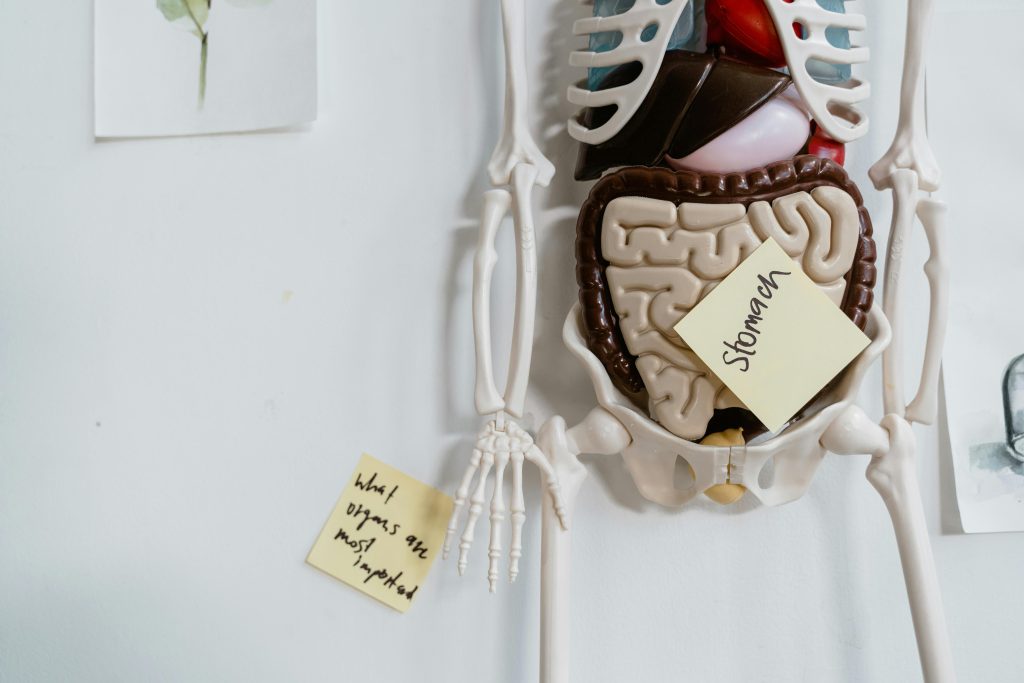
Despite pronounced symptoms, examinations do not reveal inflammation, structural changes, or other signs of organic pathology. The intestine appears healthy but functions inconsistently.
Individual and unpredictable symptoms
Symptoms of irritable bowel syndrome vary from person to person. They may disappear temporarily and then return – suddenly or after emotional stress, sleep deprivation, or dietary changes. This instability makes the syndrome especially exhausting: someone may feel fine for several days and then suddenly experience abdominal discomfort that interferes with work, socializing, or rest.
The most common symptoms include:
- abdominal pain and cramps, often in the lower abdomen, with pressure or sharp pain Bloating, rumbling, and increased gas, especially after meals;
- unstable bowel movements: diarrhea, constipation, or alternating patterns;
- a feeling of incomplete evacuation, as if the bowel is stuck;
- symptom worsening after meals, during stress, fatigue, or disrupted sleep.
There are different types of irritable bowel syndrome: some people experience mostly diarrhea, others constipation, and some a mixed form with symptoms changing week to week. Regardless of the type, it’s important to learn which foods, emotions, or situations trigger symptoms – or help calm them.
How to recognize irritable bowel syndrome
To determine whether abdominal discomfort is due to irritable bowel syndrome, it’s important not just to notice symptoms but to observe their rhythm, context, and bodily reactions. It’s not a diagnosis made from a single sign, but a conclusion reached gradually by ruling out other causes and identifying consistent patterns.
The first step is keeping a journal. By recording when pain, bloating, diarrhea, or constipation occur, what was eaten, and the emotional state at the time, patterns may emerge. For example, bloating after apples, cramps before an important meeting, diarrhea after poor sleep. This journal helps both the individual and any specialist consulted.

The Bristol Stool Chart is used to assess bowel movements – a visual table where each stool type (from hard lumps to liquid mush) has a number. This helps determine whether the bowel tends toward constipation or diarrhea and track changes. Types 1-2 indicate constipation, 6-7 indicate diarrhea, and 3-5 are considered normal.
A characteristic feature of the syndrome is pain relief after bowel movements. If discomfort decreases after using the toilet, it’s a key diagnostic sign. Emotional triggers should also be noted: do symptoms worsen with anxiety, fatigue, sleep deprivation, before exams or important events?
International diagnostic criteria – Rome IV (guidelines for diagnosing functional gastrointestinal disorders) – include questions about pain frequency, its relation to bowel movements, and stool changes. If symptoms occur at least once a week for three months and are accompanied by at least two of these signs, it may indicate irritable bowel syndrome.
Finally, it’s important to rule out other conditions. Basic tests are usually sufficient: complete blood count, stool analysis, abdominal ultrasound.
Mechanisms: why the intestine becomes irritated
To understand why the intestine becomes irritated, it’s important to consider both physiology and psychology. Digestive disruption often results from complex interactions between the body, emotions, and microbiome (microbiota are the gut’s inhabitants, while the microbiome includes all their collective tools and knowledge):
One key cause is hypersensitivity of the intestinal wall. Receptors become overly sensitive.
The second mechanism is disrupted intestinal peristalsis.
This is compounded by microbiome imbalance. Beneficial bacteria involved in digestion and immune support may lose diversity – especially after antibiotics, infections, or sudden dietary changes. This makes the intestine more vulnerable and less resilient to irritants.
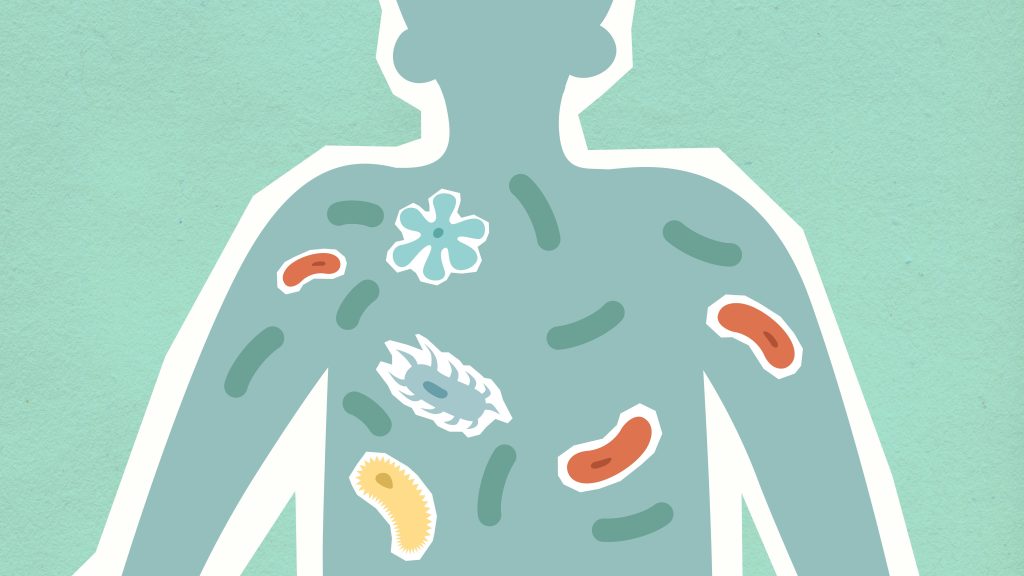
The brain-gut connection plays a special role. The digestive system receives signals from the nervous system and reacts to stress, anxiety, and sleep deprivation. During emotional tension, the intestine may rebel – even if the diet remains unchanged.
Finally, food intolerance. Certain foods (especially FODMAPs – fermentable carbohydrates like onions, garlic, apples, legumes) cause fermentation, gas, and bloating.
Methods for regulating digestion
There is no universal solution for regulating digestion with irritable bowel syndrome. A comprehensive approach is needed, considering the body’s response to food, emotions, lifestyle rhythm, and microbiome. Diet is one of the key factors:
- Low-FODMAP diet – eliminating foods that cause fermentation and bloating (onions, garlic, apples, legumes, wheat).
- Gentle fibers – oatmeal, bananas, pumpkin support peristalsis without irritation.
- Regular eating schedule – stable meals without overeating or fasting.
- Personalized food selection – tracking individual triggers and adapting the diet to personal sensitivity.
Emotional balance is also essential, as the intestine directly responds to stress.
- Meditation and breathing practices help reduce anxiety.
- Cognitive behavioral therapy teaches how to change reactions to stressful situations.
- Physical activity (walking, swimming, dancing) improves mood and bowel function.
A balanced microbiome is the foundation of stable digestion. Probiotics and fermented foods (kefir, yogurt, kimchi) are helpful if well tolerated. Also, moderation with antibiotics – avoid frequent use without necessity. Sometimes the body needs external support. Antispasmodics and peppermint products relieve cramps and relax the intestine. Low-dose antidepressants may reduce intestinal sensitivity by stabilizing emotional background.
One of the most important factors is digestive hygiene. It begins with basic sanitary precautions:
- Wash all vegetables, fruits, greens, and berries thoroughly, especially if eaten raw.
- Meat, fish, and eggs require full thermal processing to reduce the risk of parasites and pathogens.
- Keep kitchen surfaces, cutting boards, and utensils clean, especially when preparing animal products.
- Wash hands with soap before and after eating, and after handling raw foods.
- Safe drinking water is crucial. Avoid using water from questionable sources for cooking or washing food.
These simple but essential measures help reduce digestive system strain and prevent additional irritants.
Conclusion: how to live with a sensitive gut
Irritable bowel syndrome is not a disease but a functional disorder in which the body reacts to food, stress, and lifestyle rhythm in unstable and unpredictable ways. It requires observation, flexibility, and a gentle approach. Digestion can be stabilized through nutrition, emotional hygiene, microbiome support, and attentive response to bodily signals. The key is not to ignore symptoms, but to build a steady, calm dialogue with the gut.