
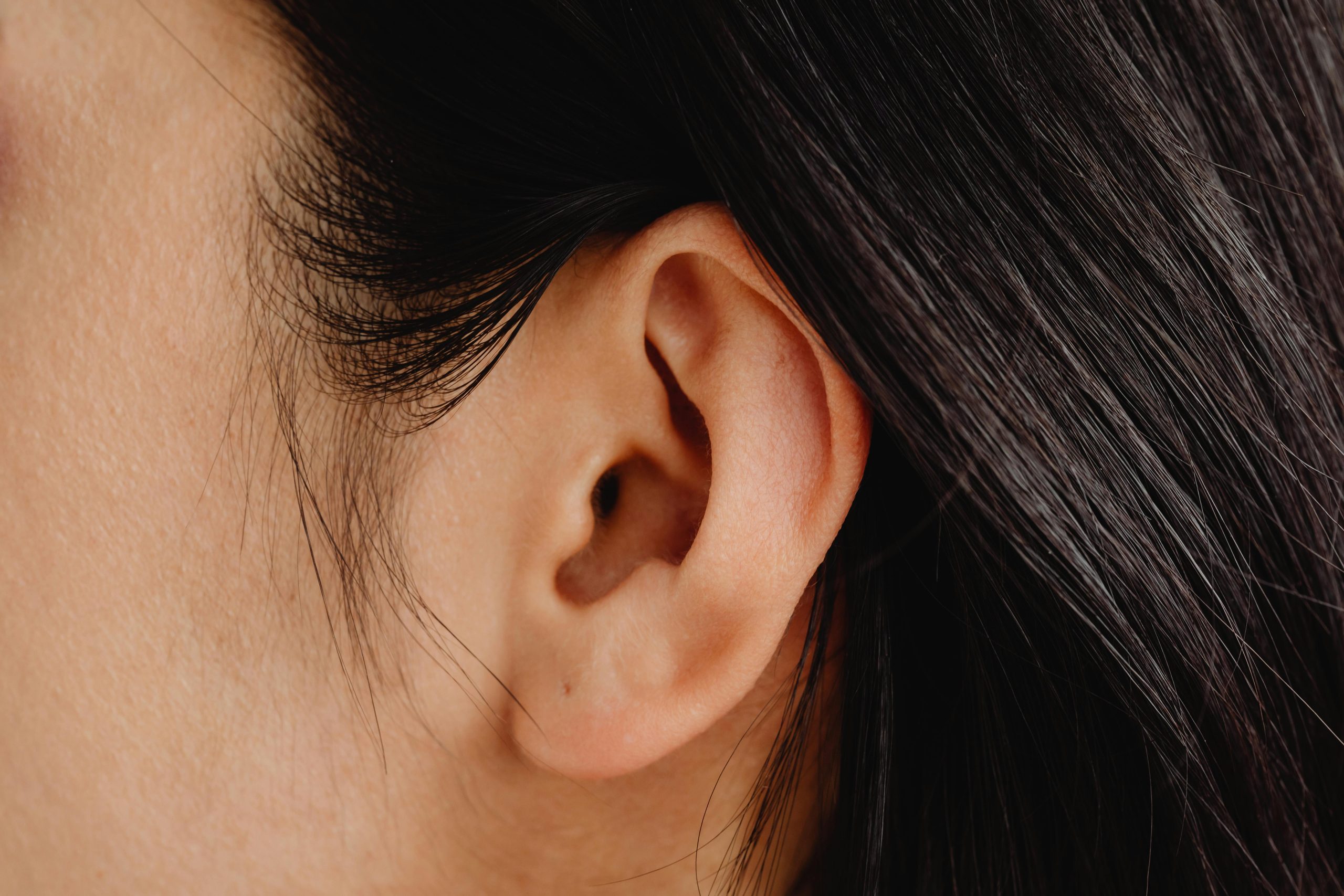
We live in constant noise, often unaware of how it affects us. The city hums, devices hiss, voice messages play in the background, and the brain processes it all—even when we’re tired. Noise stress isn’t just irritation; it’s a hidden overload that affects hearing, attention, and overall well-being.
How exactly does noise affect the body, who is most vulnerable, and what strategies truly help protect hearing in everyday life?

What Is Noise Stress?
Noise stress is a physiological and cognitive overload caused by prolonged exposure to sound stimuli. In urban environments, it’s shaped not only by loud transport and machinery but also by architectural features that amplify reverberation and behavioral habits (loud speech, signals, background music). Several types of noise stress are identified:
- acoustic – vibrations, sharp sounds;
- cognitive – difficulty understanding speech in noise;
- psycho-emotional – irritation, anxiety, fatigue.
All of these affect the auditory system, disrupting its function even without obvious damage.
How Noise Affects Hearing
Chronic noise exposure disrupts the auditory system at every level. The inner ear loses sensitivity: receptors are damaged by microinflammation and vascular spasms triggered by cortisol and adrenaline release. Blood flow is impaired – vessels constrict, auditory organs receive less nourishment, reducing their ability to perceive and transmit sound signals. At the neural level, excess glutamate (an excitatory neurotransmitter) overloads auditory cells, reducing their plasticity and causing neurotoxicity.
Simultaneously, oxidative stress develops: free radicals damage the cochlea (the spiral-shaped inner ear structure that detects sound) and the auditory nerve. This can lead to tinnitus (ringing in the ears), hearing loss, and auditory fatigue – a state in which the brain expends excessive resources to process sound, especially in noisy environments.
As a result, concentration worsens, anxiety increases, and the ability to recognize speech and navigate space declines.

Vulnerable Groups
Children are especially sensitive to noise due to the immaturity of their auditory systems. Neural connections responsible for speech recognition and spatial orientation continue developing into adolescence. Chronic noise can impair attention development, slow speech adaptation, and increase sensory overload – especially in educational settings.
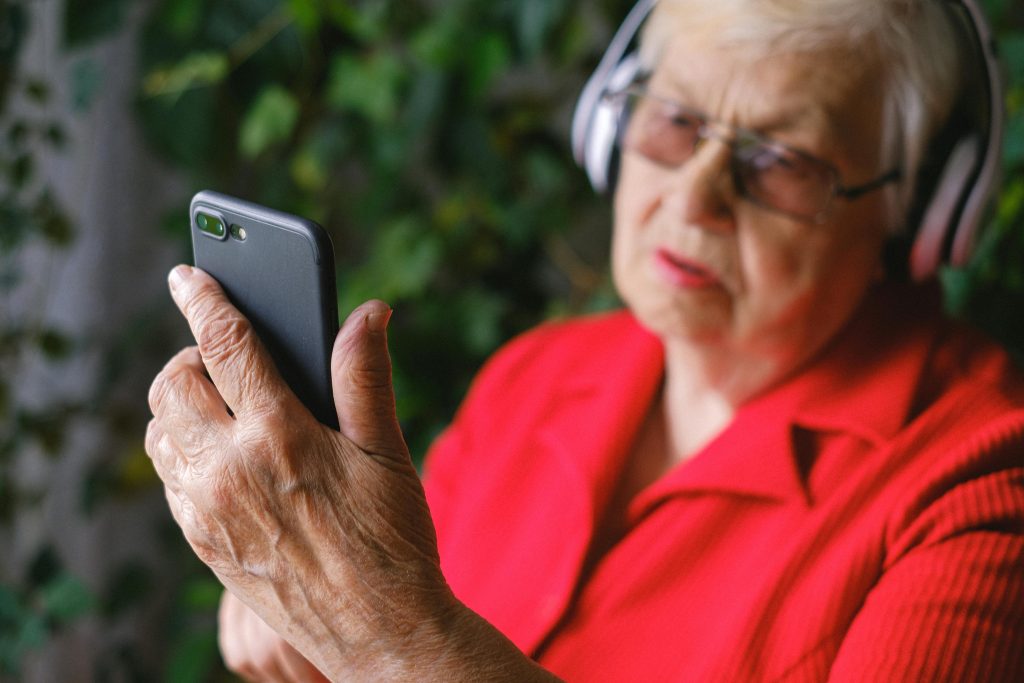
Older adults face natural hearing decline, which is worsened by regular acoustic overload. Age-related vascular changes, reduced neural plasticity, and slower sound processing make them particularly vulnerable to tinnitus, auditory fatigue, and social isolation in noisy environments.
People with anxiety disorders react to noise with heightened sensitivity: sound stimuli can intensify anxiety symptoms, trigger panic responses, and disrupt sleep. Noise stress in these individuals often involves hyperarousal, reduced concentration, and worsened psycho-emotional health.
Diagnosis and Monitoring of Noise Exposure
Effective hearing protection requires regular assessment of auditory health and tracking acoustic load levels. Modern diagnostic methods can detect both obvious impairments and hidden signs of auditory fatigue.
The standard method for hearing assessment is pure-tone audiometry, which measures sound perception thresholds across frequencies. It helps identify sensitivity loss, asymmetry between ears, and early signs of sensorineural hearing loss.
Auditory fatigue assessment focuses on the brain’s reduced ability to process sound despite intact physical hearing. It manifests as difficulty recognizing speech, reduced concentration, irritability, and cognitive overload. Evaluation tools include:
- Subjective scales (e.g., auditory comfort scale).
- Cognitive tests for attention, speech processing speed, and response to sound stimuli.
- Surveys on acoustic irritation in daily life.
Modern headphones and smartphones feature sound environment monitoring. They measure real-time noise levels in decibels, alert users to unsafe thresholds (e.g., 85 dB), and suggest sound breaks or recovery modes. These tools create personalized sound exposure profiles, enabling behavioral adjustments.
How to Protect Ears from Loud Sounds
Protecting hearing from noise stress involves a comprehensive strategy that includes behavioral habits, acoustic environments, and physiological resilience.
Physical protection remains fundamental: noise-canceling headphones and acoustically comfortable interiors reduce sound pressure and reverberation. But this isn’t enough without mindful behavior. Regular sound breaks, volume control – especially with headphones – and avoiding multitasking in noisy settings help reduce cognitive load and preserve auditory sensitivity.
Neuropsychological support plays a key role in restoring the auditory system. Meditation, breathing exercises, and physical activity lower cortisol levels, improve circulation, and enhance neural plasticity. Silence becomes not just a backdrop but an active practice: it restores attention, reduces anxiety, and improves sleep quality.

For lasting results, it’s important to follow a sound diet: alternate periods of active exposure with recovery phases. This self-regulation helps maintain auditory sensitivity, reduce stress, and adapt to the acoustic conditions of modern urban life.
Sound as a Cultural Marker: An Interesting Aside
Attitudes toward noise reflect not only physiology but cultural norms. In different countries, the sound environment is shaped by infrastructure, habits, rituals, and collective perception.
In Japan, silence is considered a social virtue. Background noise in transport is minimized, loud speech in public is avoided, and even trains “whisper” when approaching platforms. Acoustic comfort is seen as respect for personal space.
In Mexico, noise is part of celebration but not everyday life. Music, fireworks, and street voices accompany festivals and family gatherings, but moderation is valued at home – sound overload is discouraged, especially in the evening.
Conclusion: Hearing Needs Strategy, Not Reaction
Noise isn’t just an irritant – it’s a systemic factor affecting physiology, psychology, and daily performance. Protecting hearing means managing the sound environment wisely – from behavioral architecture to rituals of silence. Conscious acoustic hygiene is the key to resilience in a world where sound has become the backdrop to everything.